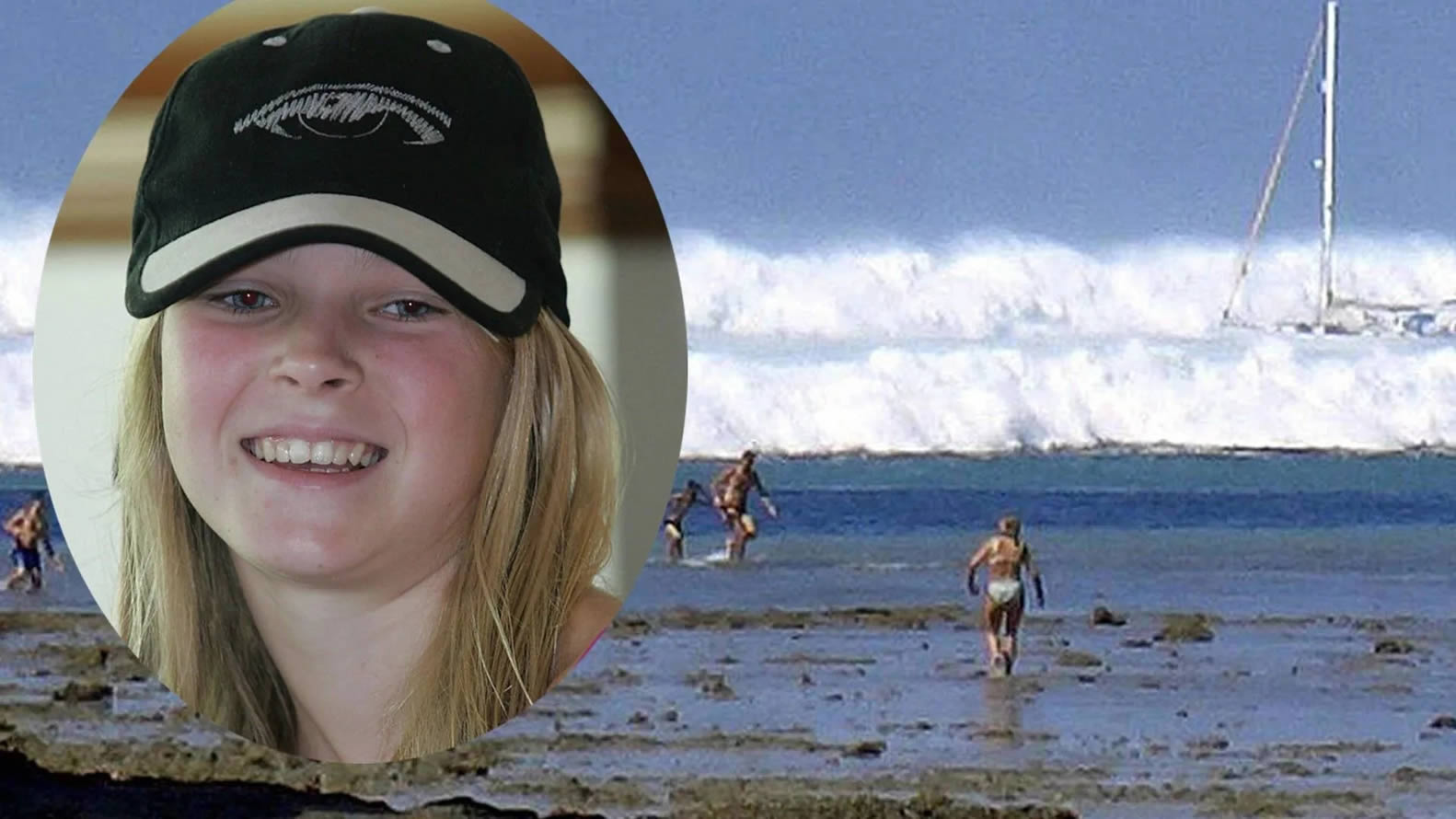
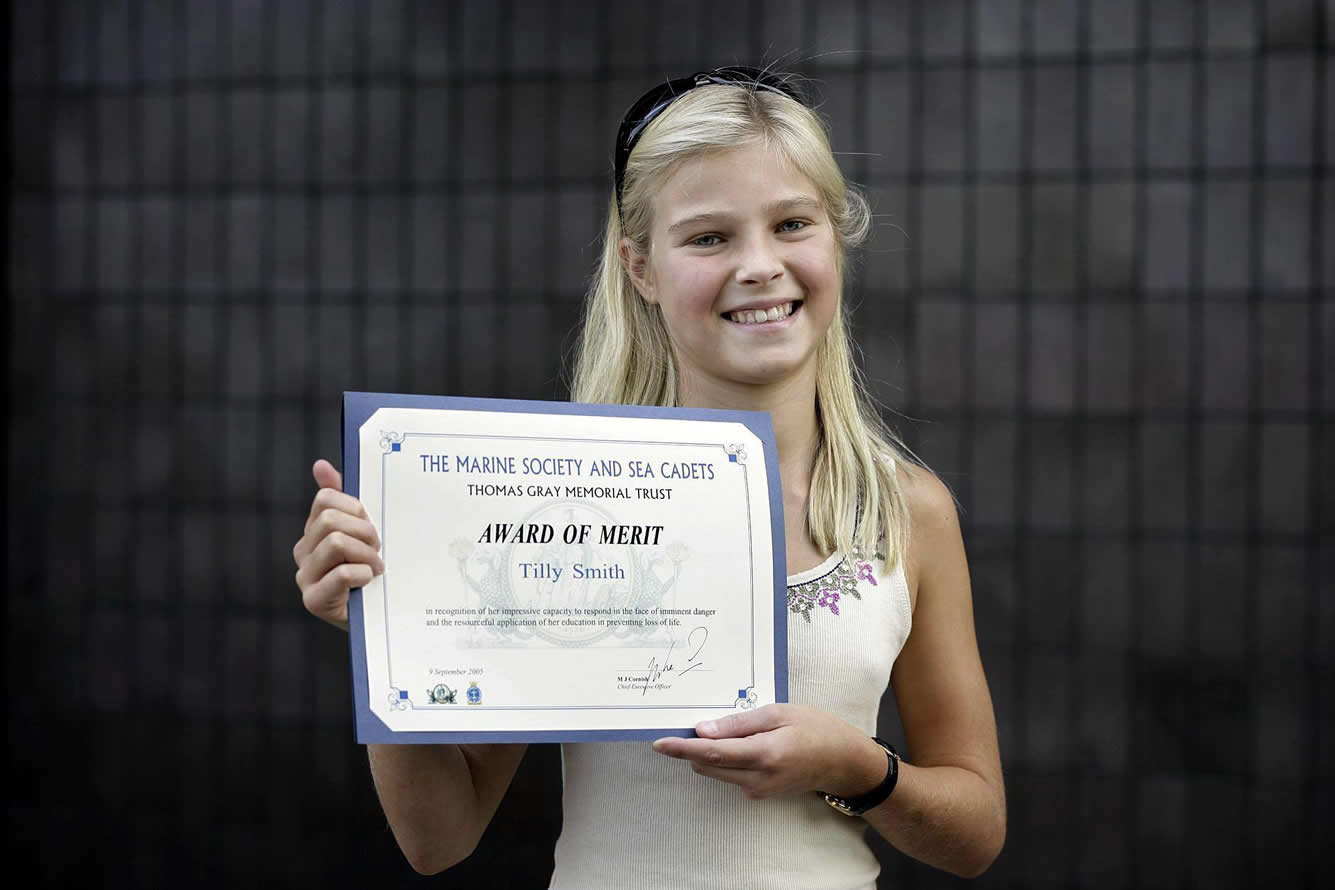
| TILLY SMITH, the girl who listened in class and saved hundreds of lives: She was ten years old, standing on a beach in Phuket, Thailand, on the morning of December 26, 2004. It was Christmas vacation, and the sky was cloudless and blue. Then, she looked at the water. The sea was bubbling strangely, and suddenly the tide pulled back—not slowly, but dramatically, leaving the seafloor completely exposed. She recognized it immediately, because just two weeks earlier, her geography teacher had shown her class exactly what that looked like.
Tilly Smith’s teacher, Mr. Kearney, had shared a video about a tsunami that struck Hawaii in 1946. He explained what caused them, how they moved, and—the part that would matter most—what they looked like in the minutes before they hit. He taught them to look for strange wave behavior and a sudden, dramatic retreat of the ocean, where the water pulls back to gather its force.
Standing on that beach, Tilly was witnessing every single one of those warning signs at once.
She turned to her mother and spoke with absolute certainty. She wasn’t calm; she was a frightened ten-year-old girl, but she spoke clearly and urgently, and she did not stop: "This is what happens before a tsunami. We have to leave. We have to leave right now."
The beach was packed with tourists, and the sky was beautiful. The adults around her hesitated—as any honest person would admit adults often do when an alarmed child speaks up. But Tilly didn’t waver.
Her father listened. He ran to the hotel and passed along his daughter’s warning to the staff. The hotel staff—who deserve their own recognition—took her words seriously. The beach was cleared, guests were evacuated to higher ground, and neighboring hotels were quickly alerted.
Minutes later, the first wave struck.
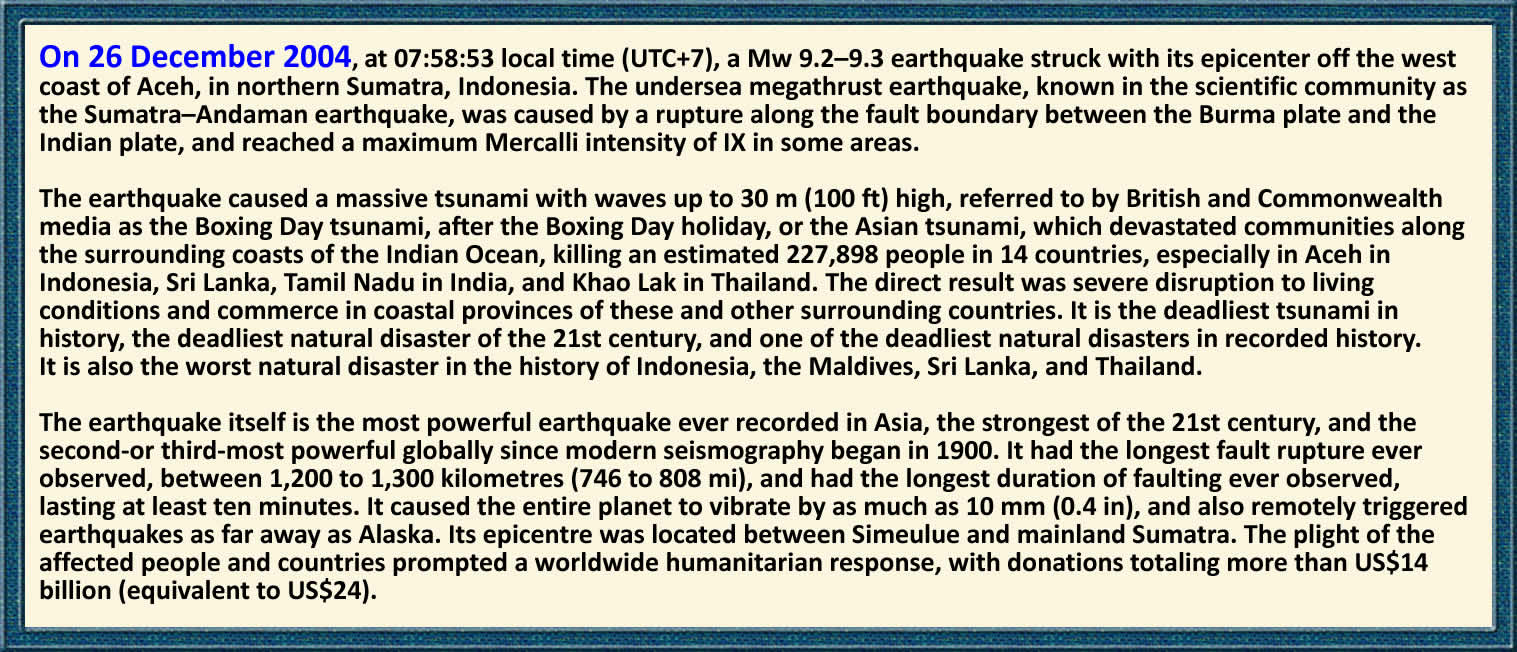
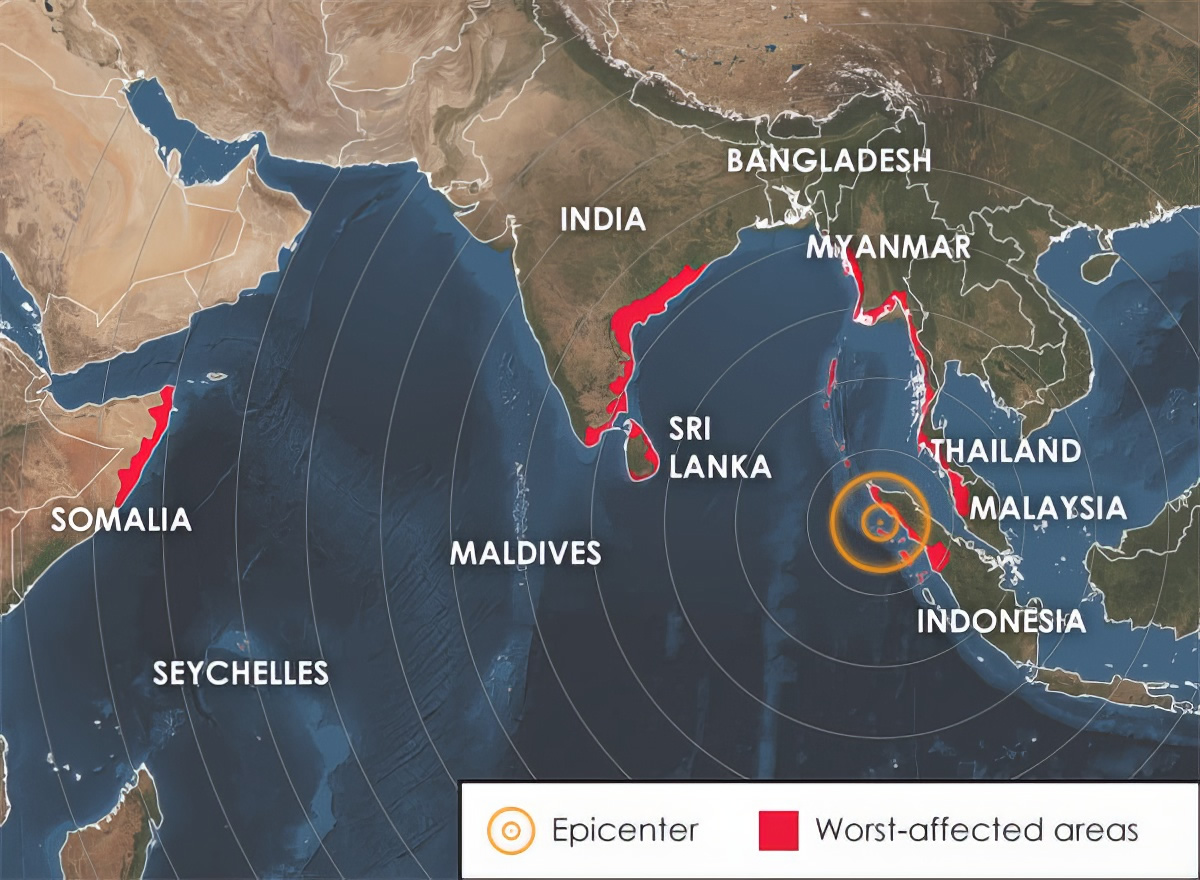
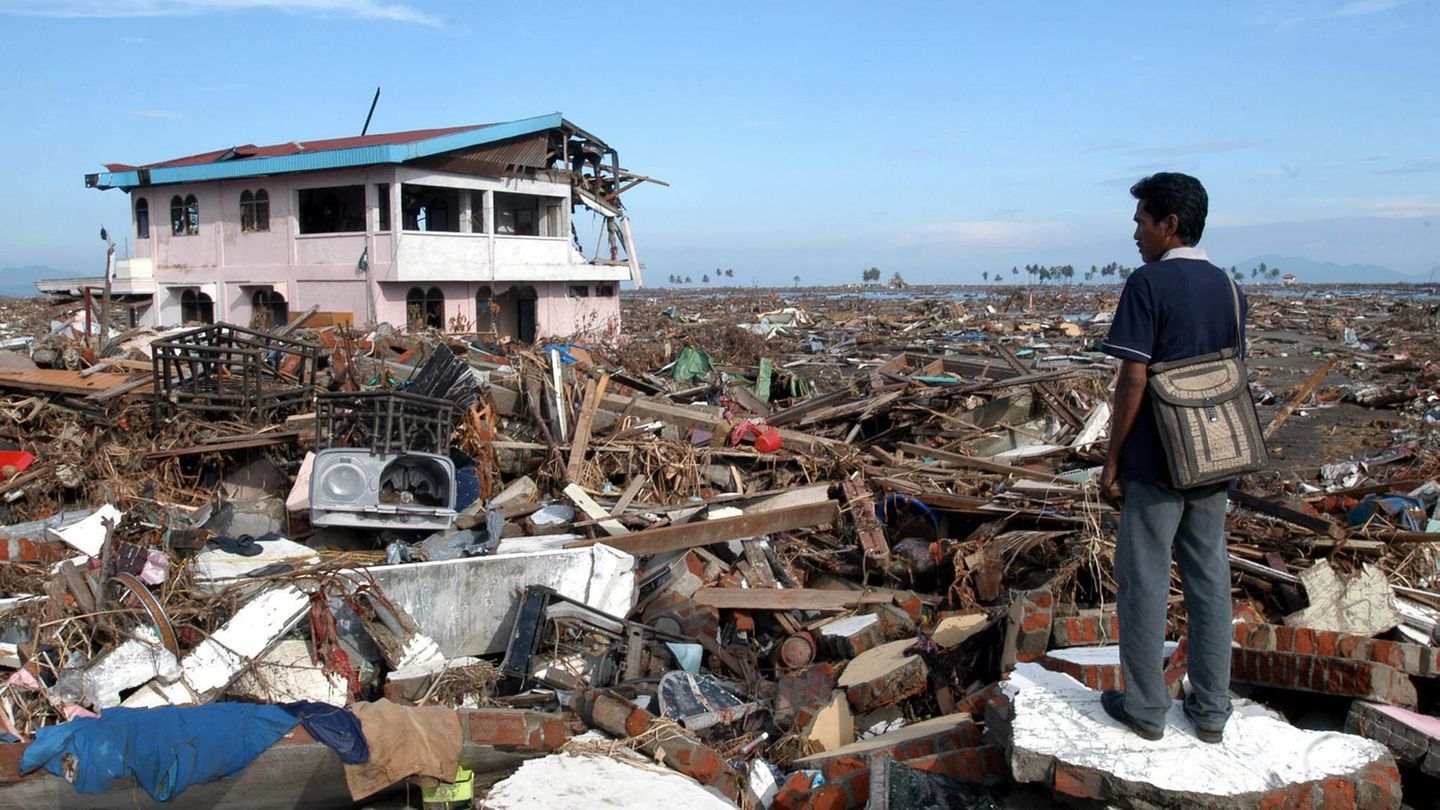
The 2004 Indian Ocean tsunami took more than 230,000 lives across fourteen countries, remaining one of the deadliest natural disasters in recorded history. Yet Mai Khao Beach, where Tilly had been standing that morning, was one of the very few beaches in Phuket where no one died. Close to a hundred people walked away safely because a little girl had paid attention in class—and refused to stay quiet.
Tilly later spoke at the United Nations, met survivors, and was recognized worldwide for her bravery. Looking back, Mr. Kearney simply said he had been doing his job. He was right, and that is exactly the point.
Somewhere in the chain of events that saved those lives was a teacher choosing a lesson, picking a video, and deciding his students should understand something they might never need to know. And there was a child who paid attention—not because she knew the world would one day ask it of her, but simply because that’s what she did in class.
She was supposed to be on holiday. Instead, she stood at the exact intersection of knowledge and crisis, with mere minutes to act and the presence of mind to do it correctly. She was only ten years old. It is perhaps the most quietly powerful argument ever made for the value of a geography lesson—and for every child who listens to something they might never need. Until the morning they need it completely. |