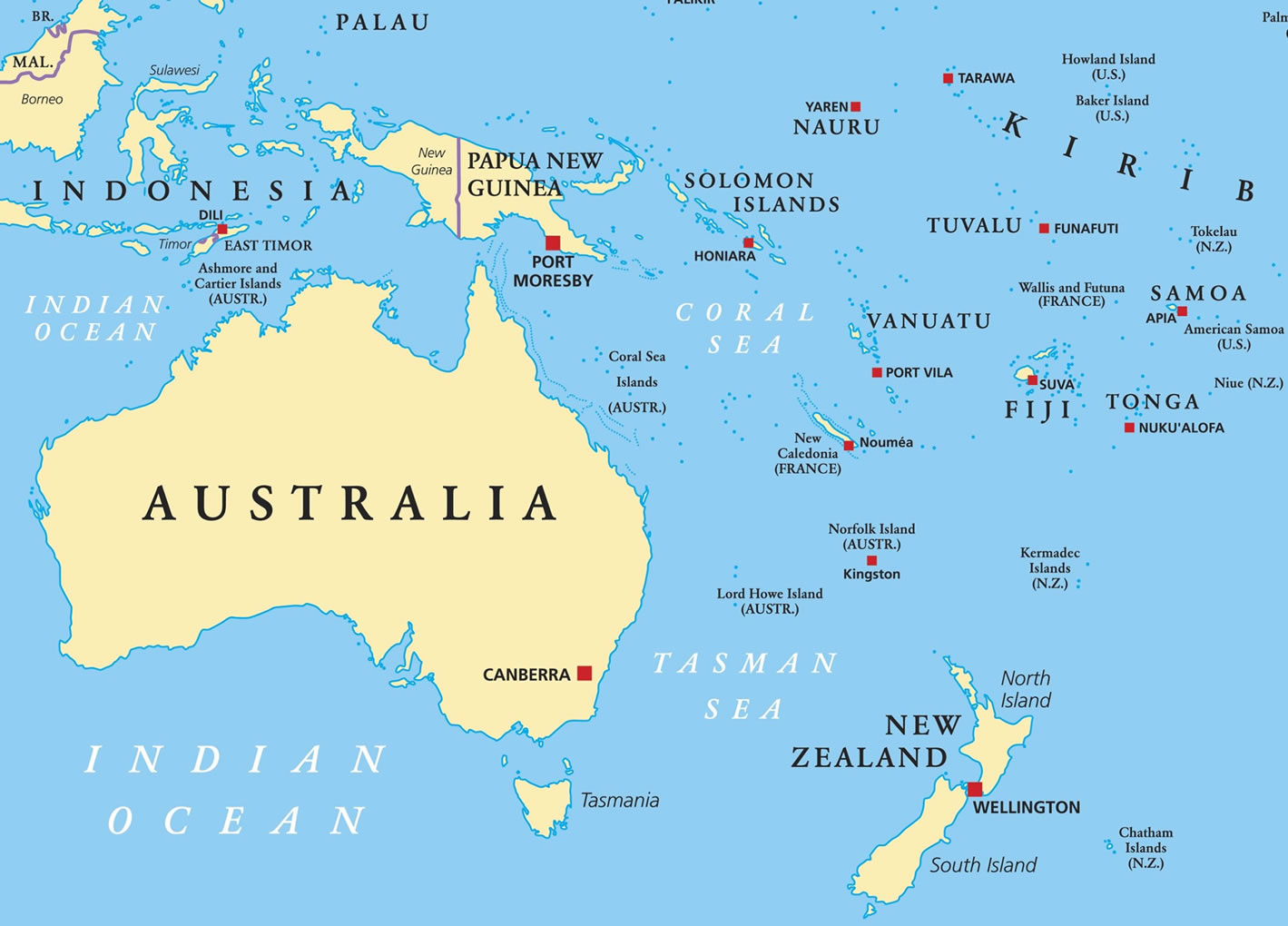
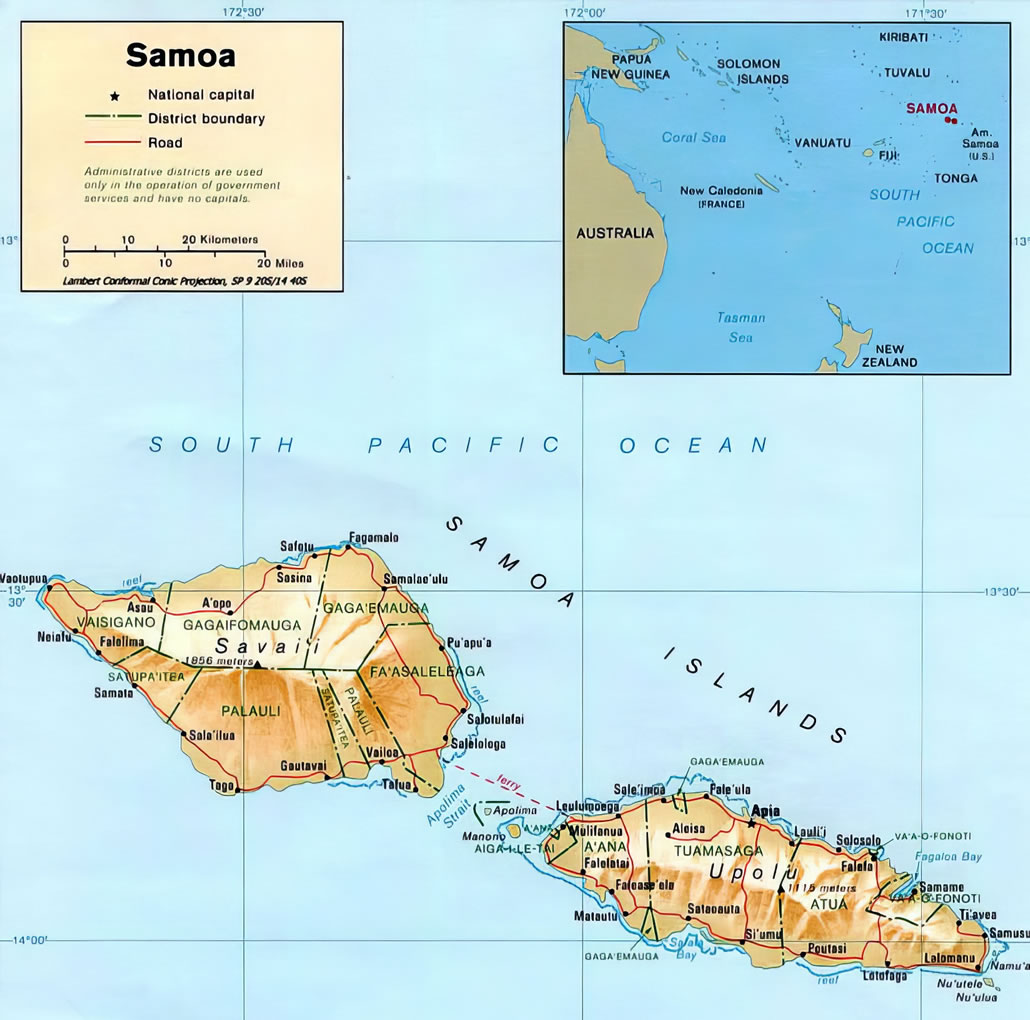
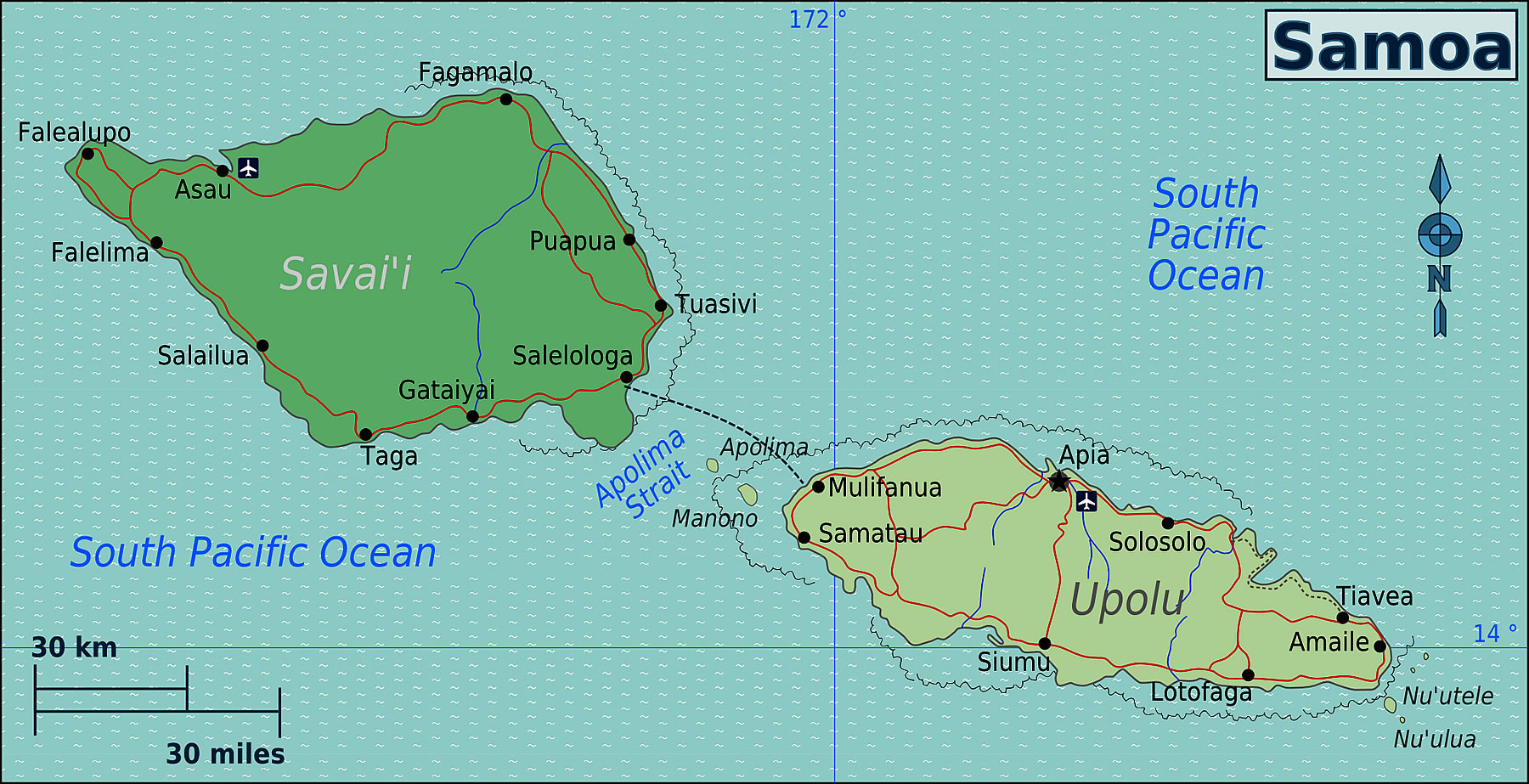
Sable Island (French: île de Sable, literally "island of sand") is a small Canadian island situated 300 km (190 mi) southeast of Halifax, Nova Scotia, and about 175 km (109 mi) southeast of the closest point of mainland Nova Scotia in the North Atlantic Ocean. The island is staffed year round by three Parks Canada staff, rising during summer months when research projects and tourism increase. Notable for its role in early Canadian history and the Sable Island horse, the island is protected and managed by Parks Canada, which must grant permission prior to any visit. Sable Island is part of District 7 of the Halifax Regional Municipality in Nova Scotia. The island is also a protected National Park Reserve and an Important Bird Area.
History: The expedition of Portuguese explorer João Álvares Fagundes explored this region in 1520–1521 and his expedition was among the first Europeans to encounter the island. It is likely that he named the island "Fagunda" after himself. An island called Fagunda appears on later Portuguese maps placed to the southeast of Cape Breton, fairly near its present location; however, the identification of Sable Island with Fagunda is not certain. On the other hand, 16th-century Portuguese sources describe a fishing colony founded by the navigator in Cape Breton Island further north. It is also possible that Fagundes sighted the island while heading southwest, reaching the Bay of Fundy, as the 1558 map of Diogo Homem and later Samuel de Champlain suggested, but this is unclear. The island was inhabited sporadically by sealers, shipwreck survivors, and salvagers known as "wreckers". Troilus de La Roche de Mesgouez attempted to colonize the New World with convicts in 1598. When the convicts mutinied, they were left on the treeless and stoneless Sable Island. Most of the settlers died, but a few managed to survive in mud dwellings for five years before being returned to France in 1603.
Vegetation: Sable Island derived its name from the French word for "sand". It lacks natural trees, being covered instead
with marram grass and other low-growing vegetation. In 1901, the federal government planted over 80,000 trees in an attempt to stabilize the soil; all died. Subsequent plantings resulted in the survival of a single Scots pine. Although planted in the 1960s, it is only a few feet tall. It is decorated yearly as a Christmas tree in December as part of a tradition among the station staff.
Horses & Cattle: The island is home to over 550 free-roaming horses according to a 2016 report, protected by law from human interference. During a 2017–2018 study, the estimated population was 500 horses, up from the roughly 300 recorded in the 1970s. Because of the harsh spring of 2017, the mortality rate was about 10% but the normal rate is about 1% annually, primarily due to starvation and hypothermia.
This feral horse population is likely descended from horses confiscated from Acadians during the Great Expulsion and left on the island by Thomas Hancock, Boston merchant and uncle of John Hancock. In the early 1800s, many of the horses were used by men patrolling the island, searching for ships in distress, and the animals also moved lifeboats and equipment to sites of shipwrecks.
In 1879, 500 horses and cattle were estimated to live on the island, and the island vegetation was described as covered with grass and wild peas. In the past, excess horses were rounded up, shipped off the island, and sold, many used in coal mines on Cape Breton Island, Nova Scotia. In 1960, the Canadian Government, under the Canada Shipping Act, gave the horse population full protection from human interference. This was partly motivated by a plan in the 1950s, eventually aborted due to public pressure, to remove the horses from the island, after some biologists reported that they were damaging the ecology of the land. Nonetheless, some continued to view the horses as an invasive species which is not suitable in a protected region where ecological integrity should be preserved according to the National Parks Act.
Seals, Birds & Other Wildlife: Harbour and grey seals breed on the island's shores. Seal counts from the 1960s for the grey seal population estimated 200–300 pups born at that time on the island, but surveys from as recent as 2016 estimated the number of pups born in that season at 87,500.[56] The seals are occasionally preyed upon by the various shark species that inhabit the waters nearby. Unusual corkscrew bite wounds on dead seals suggest that the Greenland shark is probably responsible for most attacks here.
Several large bird colonies are resident, including the Arctic tern and Ipswich sparrow, a subspecies of the Savannah sparrow which breeds only on the island. Many other species are resident, migratory, or transient, blown out to sea in storms and returned to land out of their natural range.
It was formerly believed the freshwater sponge Heteromeyenia macouni was found only in ponds on the island. However, it is now considered to be the same species as Racekiela ryderi, found elsewhere.
Rabbits, cattle, and goats were also released on the island, with little success, at one point.
At one point, there was a walrus population on the island, until hunters drove it to extinction. |