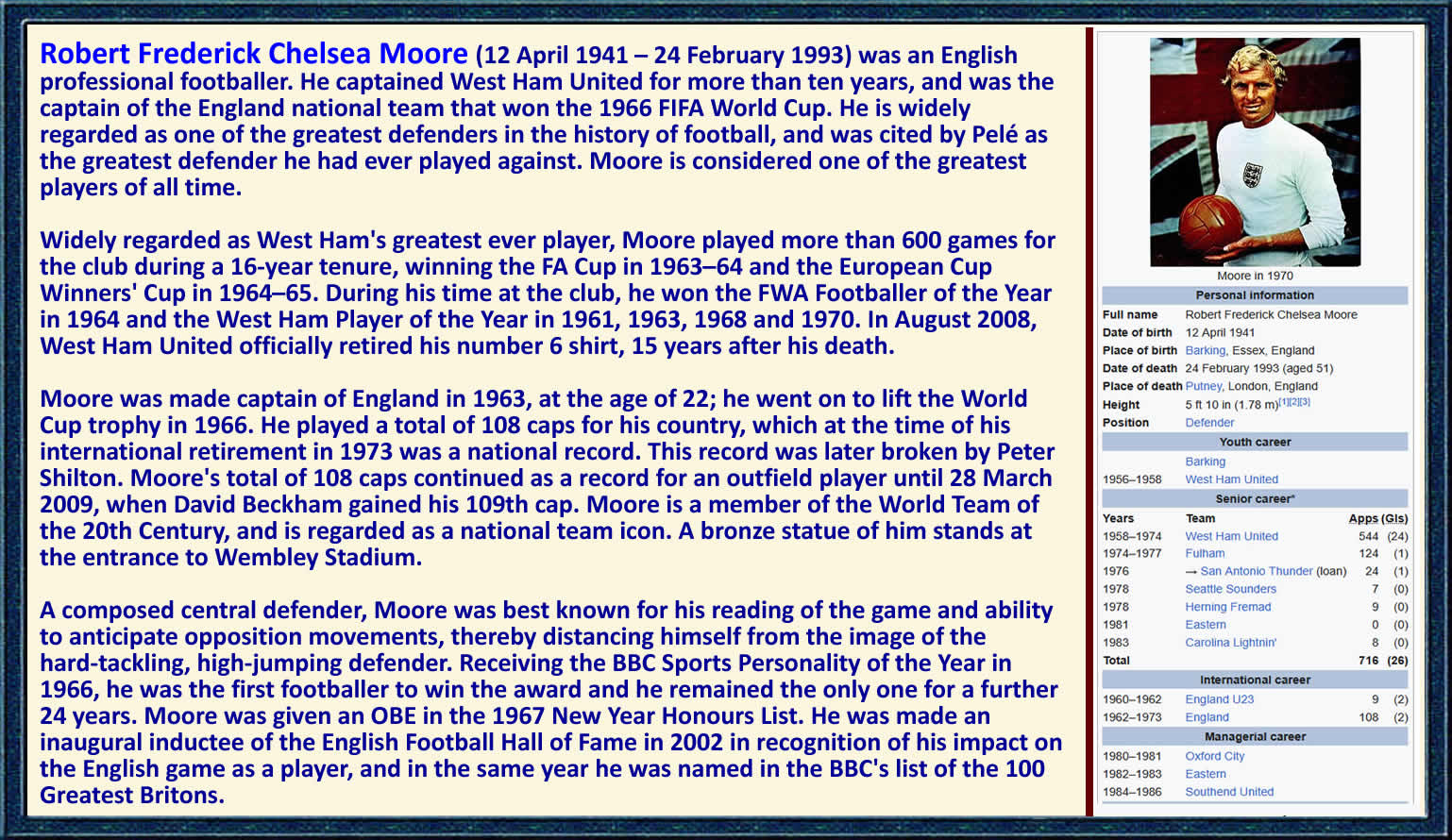
| When Bobby Moore was approaching the end of his playing career in 1977, he was hoping to move into management.
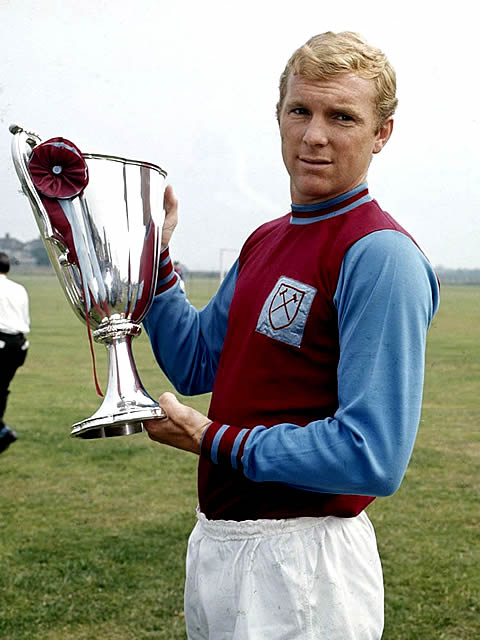
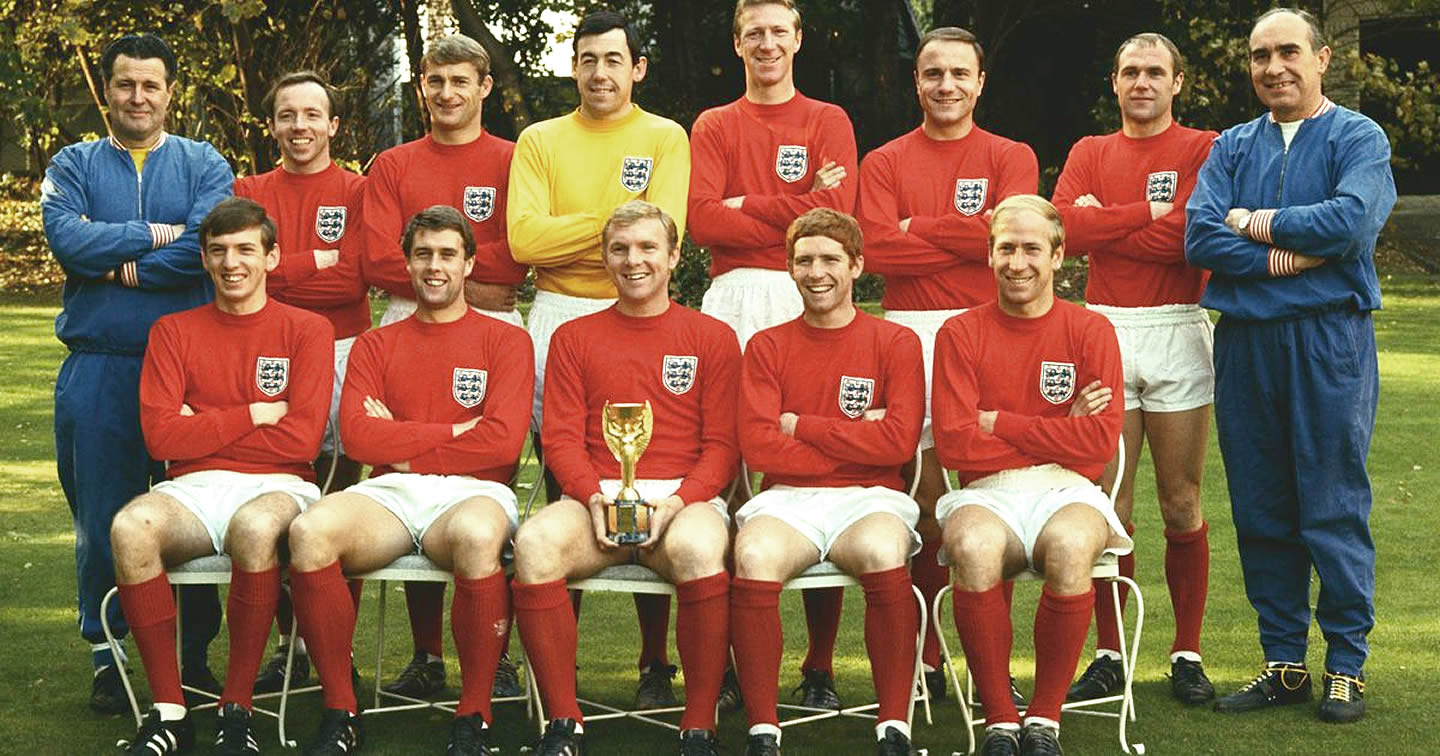
He had captained England to the World Cup in 1966, made 108 appearances for his country and spent 15 years at West Ham before finishing his career with Fulham.
At 36, he still wanted to be involved in football, and with his experience and reputation, he believed there would be opportunities for him.
One of those opportunities appeared to be at Watford.
Elton John had recently taken over as chairman and was looking for a new manager, so he met Moore to discuss the job.
The two shook hands on a deal, and Moore went away on holiday with his family expecting everything to be sorted.
Only while he was away, the club changed its mind:
Watford appointed Graham Taylor instead.
It was a difficult start to life after football, but another opportunity soon presented itself when Don Revie resigned as England manager.
Moore wrote to the Football Association offering his services.
He already held FA coaching qualifications and had gained experience helping with coaching during the latter stages of his playing career.
In his application, he reminded them of his connection with England. “I know you are aware of how proud I was of my years with the England team.”
The FA did not even send him a reply.
Ron Greenwood got the England job, and Moore was left trying to find somewhere else to begin his coaching career.
His wife Tina could not understand it. “How could anyone who had Bobby’s knowledge and expertise be overlooked in that way? Kids would have looked up to him and learnt things just by his presence.”
The rejections continued.
Moore eventually found work managing non-league Oxford City, followed by a spell coaching in Hong Kong and three years at Southend United.
But nothing developed into the career he had hoped for, and neither West Ham nor England offered him a meaningful role.
At home, things were getting increasingly difficult.
Tina watched her husband become more withdrawn with every rejection, struggling to understand why the game he had given so much to seemed to have no place for him. “He was deeply depressed.
He was very proud, and felt rejected, bewildered.”
He even began waking up in the night from a recurring nightmare.
“I’m running in sand. I can’t get anywhere.”
Moore had been one of the most recognisable footballers in England, but by the late 1980s he was struggling to find regular work in the game.
He took a job as sports editor of the Sunday Sport before joining Capital Gold Radio, travelling around the country with Jonathan Pearce to cover matches for £150 a game.
His friend Jimmy Tarbuck even approached Peter Swales, who chaired the FA’s international committee, suggesting Moore could become an ambassador for English football.
Brazil had Pelé.
West Germany had Franz Beckenbauer.
Surely England could find a similar role for the man who had lifted their only World Cup.
Swales was not interested. “Are you serious?”
Moore continued working in radio, and in 1991 he was diagnosed with bowel cancer.
He passed away on the 24th of February 1993 - just 51 years old.
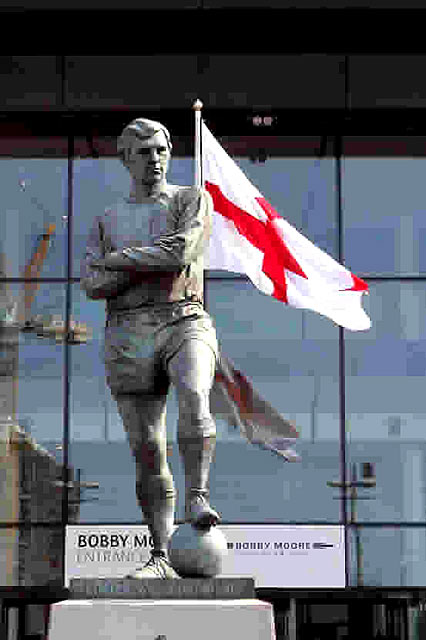
Years later, the FA erected a statue of him outside the new Wembley Stadium, recognising the man who had led England to their greatest achievement.
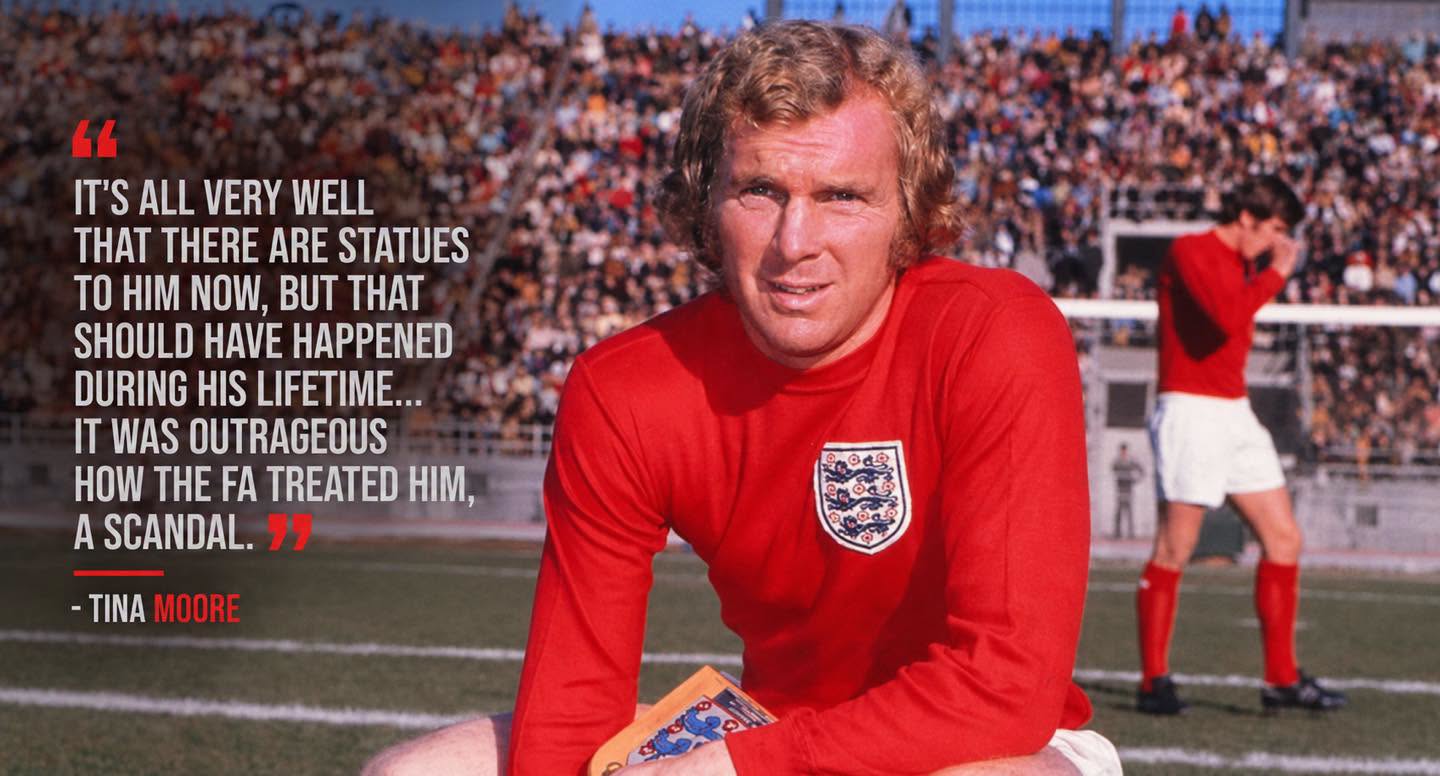
But for Tina, the recognition had come far too late. “It’s all very well that there are statues to him now, but that should have happened during his lifetime. It was outrageous how the FA treated him, a scandal."
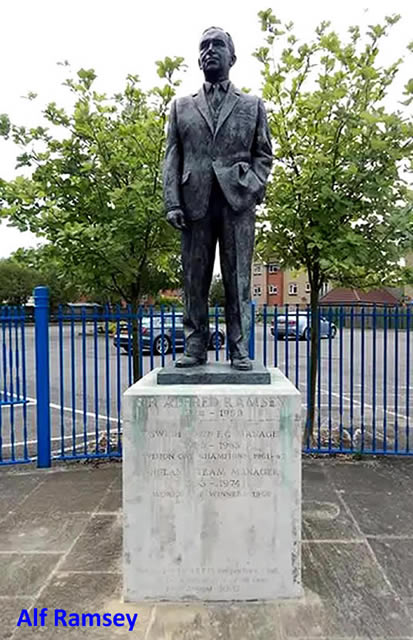
Pele said that Bobby Moore was the best defender he ever played against. Sir Alf Ramsey the England manager said of Bobby Moore: "He was my captain, my leader, my right-hand man. He was the spirit and the heartbeat of the team: a cool, calculating footballer I could trust with my life. He was the supreme professional, the best I ever worked with. Without him England would never have won the World Cup." |