 |
|
 |
 |

 |

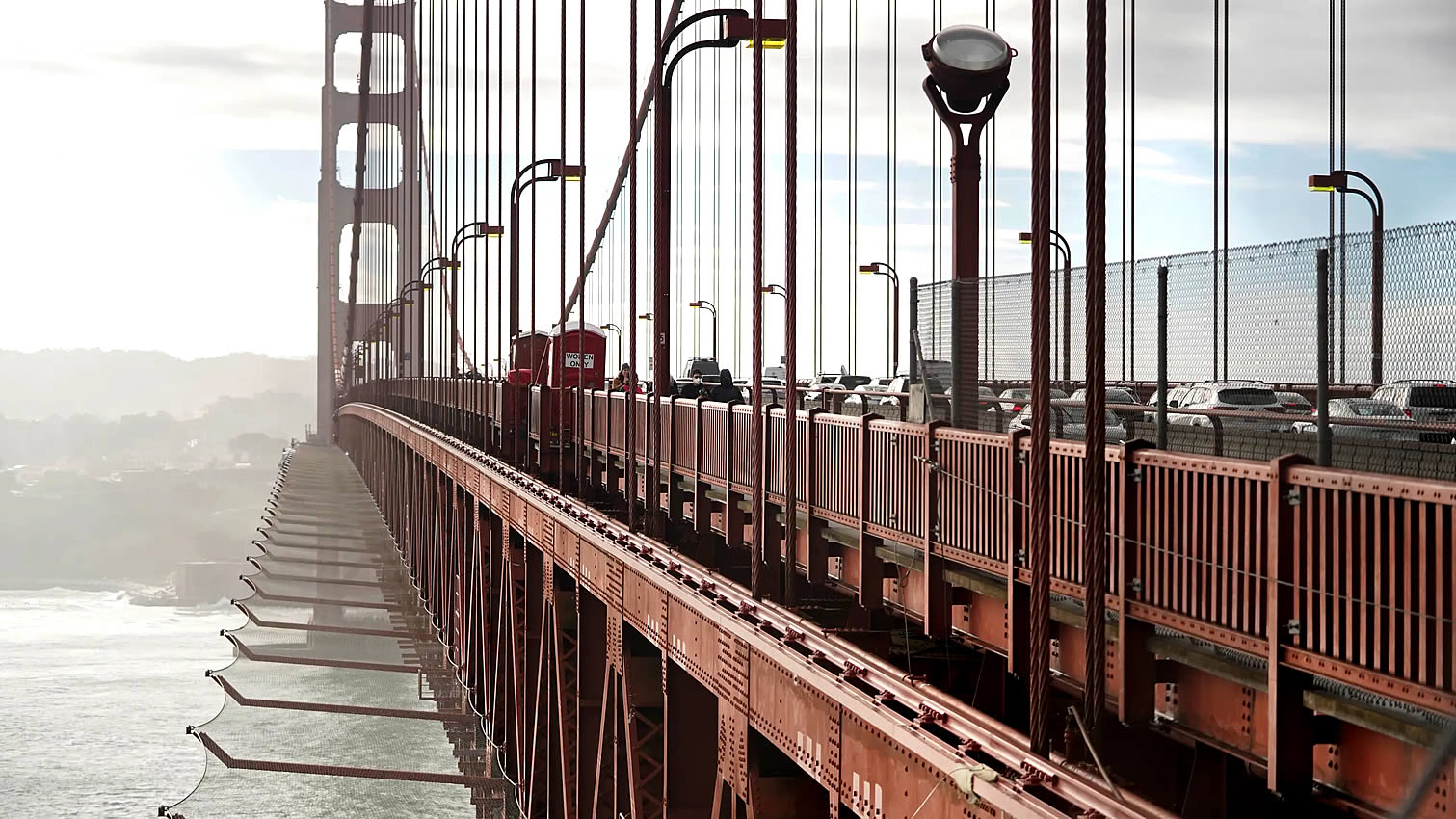
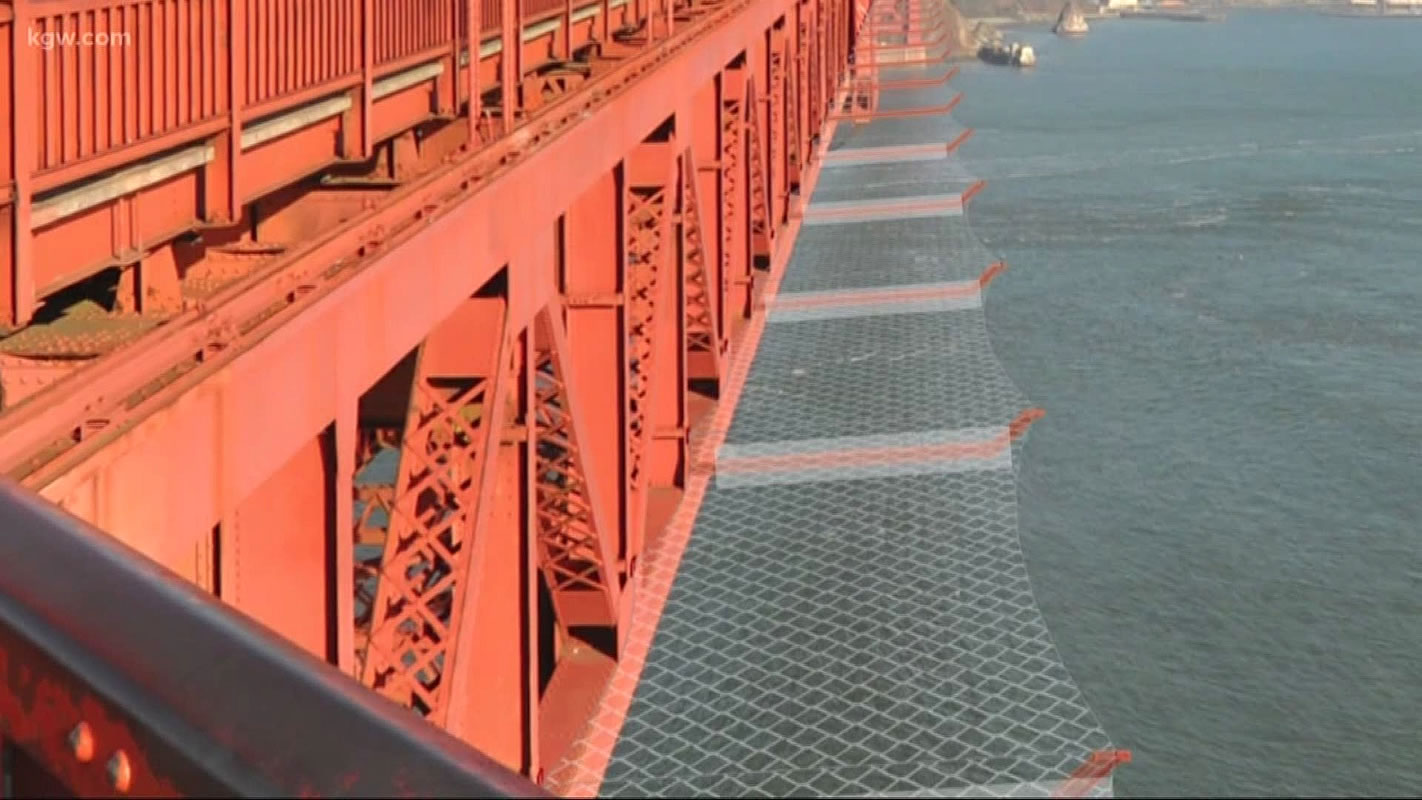
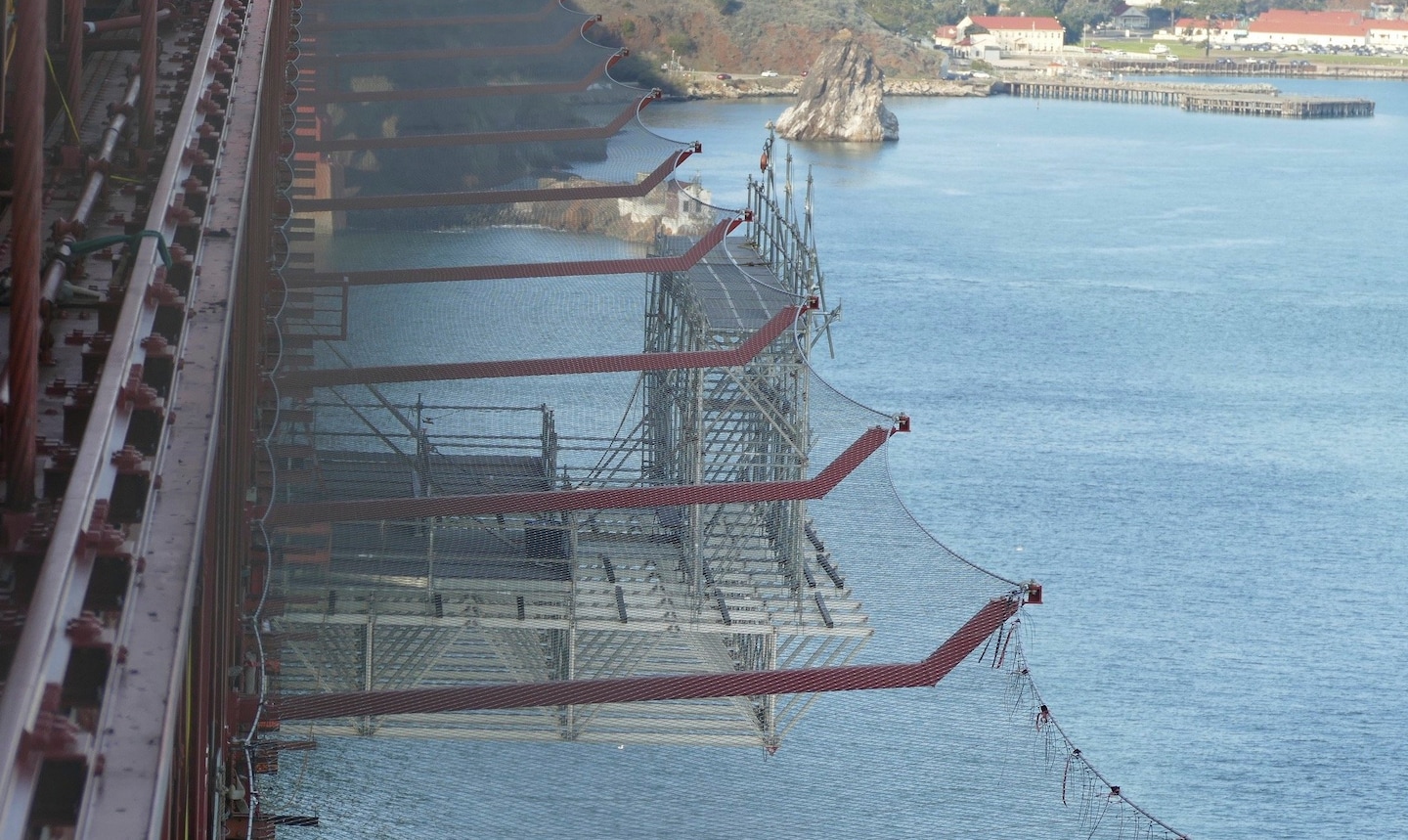
The Golden Gate was budgeted at $35 million. By the math of the era, 35 men would never go home. Joseph Strauss, the chief engineer, rejected those odds. He required hard hats - leather helmets that resembled football gear - when most construction sites had no head protection at all. He banned alcohol on site. He fired any worker caught showing off or taking risks. He even provided sauerkraut juice for hangovers. But his most radical decision came in 1936, when assistant engineer Clifford Paine pushed him to try something unprecedented. Strauss hung a massive safety net beneath the entire bridge. It cost $130,000 - a fortune during the Great Depression. The net stretched ten feet wider than the roadway and extended fifteen feet past each end. Critics called it excessive. Strauss fought for it anyway. The net saved nineteen men. Workers who fell into it formed a club. When a bridgeman died, his coworkers said he had "gone to hell." But these men had only fallen halfway. They called themselves the Halfway to Hell Club. Al Zampa fell sixty feet on a fog-slick October morning in 1936, flipping backward three times before the net caught him. He broke four vertebrae. Newspapers said he might die. Twelve weeks later, he walked across a narrow beam on the unfinished bridge to prove his nerve was intact. On December 14, 1936, six club members posed for a famous photograph, standing together on the steel framework. Al Zampa missed it - he was still healing from his broken back. The net made workers braver. They moved faster, knowing they had protection below. One bridgeman later said the work went faster because of the net. For nearly four years, the project seemed blessed. Then, on February 17, 1937, a scaffold collapsed and tore through the safety net, dragging twelve men into the bay. Ten died. Eleven workers lost their lives building the Golden Gate Bridge. It should have been thirty-five. Joseph Strauss proved that worker safety was not a luxury: It was a choice. The bridge opened on May 27, 1937. Nearly 200,000 people walked across it that first day. Al Zampa lived to ninety-five. And the Halfway to Hell Club became a quiet monument to the idea that progress does not have to cost lives. |
|
|
|